
Exploring the Scottish Highlands by Rail and Trail: A Slow Travel Adventure
There’s a certain magic to the Scottish Highlands mist rolling over ancient peaks, lochs reflecting shifting skies, and winding rail lines cutting through vast, untamed landscapes. Whether you’re hopping aboard a scenic train or setting off on a windswept hiking trail, preparation enhances the experience. Layered clothing, sturdy boots, and practical essentials like insulated mugs become especially useful when sipping hot coffee while watching the early morning fog drift across the hills.
Why the Highlands Are Perfect for Slow Travel
The Highlands reward travelers who move slowly. Unlike fast-paced city breaks, this region invites pauses for scenery, for reflection, for simply breathing in the crisp air.
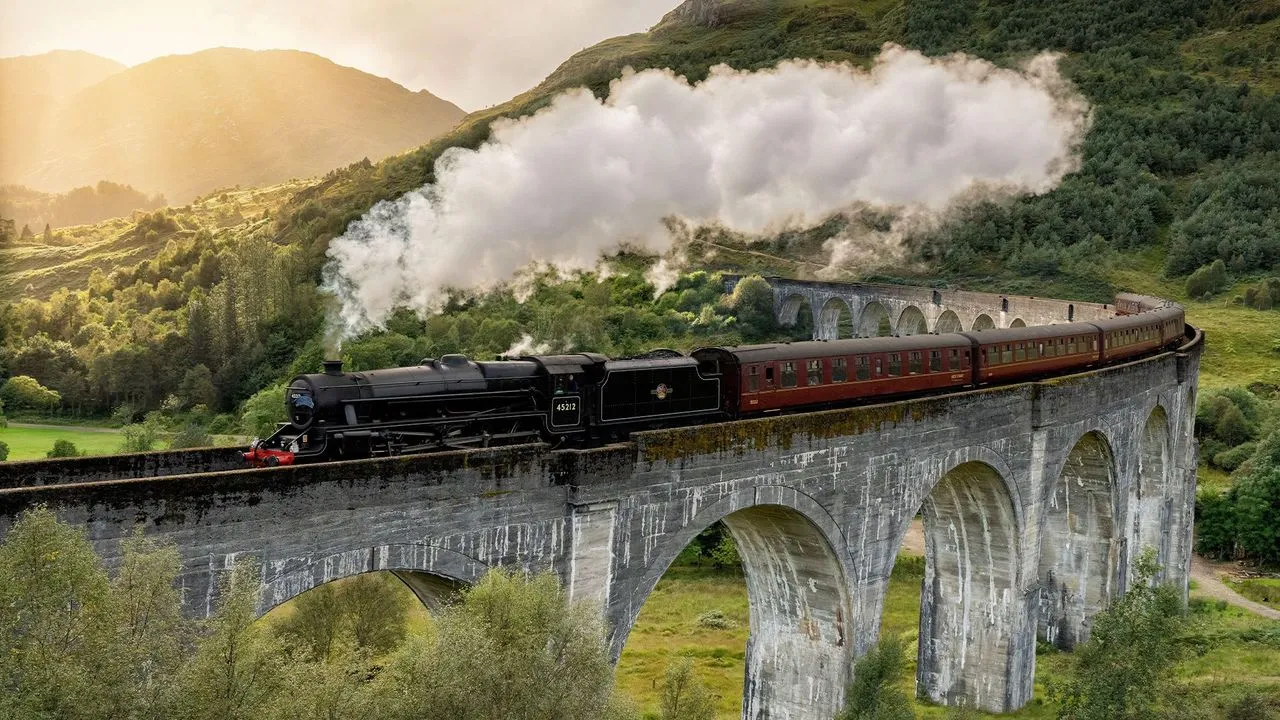
Rail travel is one of the most immersive ways to explore. The West Highland Line, running from Glasgow to Mallaig, is often described as one of the most scenic train journeys in the world. The route passes lochs, glens, and remote moorlands that feel untouched by modern life.
Large train windows frame cinematic views: vast open spaces dotted with sheep, dramatic mountain silhouettes, and small whitewashed cottages standing against green hills.
The West Highland Line Experience
The journey begins in Glasgow but quickly transitions into rugged countryside. Highlights along the route include:
- Loch Lomond: A serene expanse of water surrounded by rolling hills.
- Rannoch Moor: A remote, wild plateau with no visible settlements.
- Glenfinnan Viaduct: Famous for its sweeping curve and historic charm.
The train’s steady rhythm complements the landscape’s quiet grandeur. Unlike road travel, there’s no rush only uninterrupted views unfolding mile after mile.
Arriving in Mallaig, a small fishing port, offers coastal charm and ferry access to the Isle of Skye.
Hiking Through Glencoe
From the rail line, it’s easy to access Glencoe one of Scotland’s most iconic valleys. Steep mountains rise sharply from the valley floor, creating dramatic contrasts that shift constantly with the weather.
Hiking options range from gentle valley walks to challenging ridge climbs. The Lost Valley (Coire Gabhail) offers a moderate hike into a hidden glen once used to conceal livestock. For more experienced hikers, the ascent of Buachaille Etive Mòr provides panoramic views that stretch for miles.
Weather changes quickly in the Highlands. Sunshine can give way to mist within minutes, adding atmosphere but requiring flexibility.
The Isle of Skye: Rugged and Untamed
A short ferry ride from Mallaig brings you to the Isle of Skye a landscape defined by dramatic rock formations and coastal cliffs.
The Quiraing landslip features jagged, otherworldly terrain ideal for photography and moderate hiking. The Old Man of Storr, a towering rock pinnacle, draws hikers seeking sweeping island views.
Skye’s roads are narrow and winding, but every turn reveals another stunning vista waterfalls cascading down cliffs, sheep grazing on hillsides, and sea stretching endlessly toward the horizon.
Embracing Highland Weather
The Highlands are famous for unpredictable weather. Rain, wind, and sun often cycle through a single afternoon. Rather than seeing this as an inconvenience, many travelers come to appreciate how weather enhances the landscape.
Cloud cover deepens the greens of the hills. Sunlight breaking through mist creates dramatic contrasts across lochs. Even rain contributes to the moody, cinematic atmosphere that defines the region.
Prepared travelers adapt rather than resist layering clothing and adjusting plans as needed.
Coastal Walks and Quiet Villages
Beyond the major landmarks, smaller villages offer a slower pace. Plockton, with its palm trees and sheltered bay, feels almost Mediterranean in certain light. Ullapool, further north, serves as a gateway to rugged coastal hikes and ferry routes to the Outer Hebrides.
Coastal paths reveal rocky cliffs, seabird colonies, and crashing waves. The absence of crowds in many areas adds to the sense of solitude.
Why the Highlands Feel Transformative
There’s something grounding about the Highlands. The vastness of the land, the quiet stretches between villages, and the rhythm of train travel encourage reflection.
It’s a region where time seems to slow. Without constant urban distractions, attention shifts to subtle details the sound of wind across grass, the shifting colors of the sky, the stillness of a loch at dawn.
Travel here feels less about ticking off landmarks and more about absorbing atmosphere.
Final Thoughts
Exploring the Scottish Highlands by rail and trail combines comfort with raw natural beauty. Scenic trains remove the stress of driving, while hiking trails immerse you fully in the landscape.
It’s a destination best experienced deliberately allowing room for weather shifts, spontaneous stops, and quiet moments overlooking dramatic terrain.
The Highlands don’t demand speed. They reward presence.
Disclaimer
This article is for general informational and inspirational purposes only. Travel conditions, transportation schedules, ferry services, trail accessibility, and weather in the Scottish Highlands can change without notice. Travelers should check official rail providers, local authorities, and weather forecasts before making plans. Outdoor activities such as hiking carry inherent risks, and individuals should assess their fitness level, carry appropriate gear, and follow local safety guidance. The author is not responsible for personal decisions, travel disruptions, or any loss, injury, or inconvenience resulting from reliance on this content.