Chemical Peel for Sun Damage: Why Fall Is the Smart Time to Start
Summer is over. But your skin may still be showing it. New brown spots. Rough texture. A tone that looks uneven in daylight.
The good news is simple. A chemical peel for sun damage can help improve many of these visible signs. And fall is one of the best times of year to start.
Here is what you should know before you book.
What Sun Damage Really Looks Like
Sun damage is not only a sunburn. It builds up slowly, often over many years.
Common signs include:
- Sun spots and freckles that grow darker
- Uneven or blotchy skin tone
- Rough, dry texture
- Fine lines around the eyes and mouth
- Dull skin that has lost its glow
These changes happen because UV rays affect how skin produces pigment and how it renews itself. Old, damaged cells stay on the surface longer. The result is skin that looks tired and uneven.
One important note. Not every dark spot is harmless. If a spot is new, changing, bleeding, or looks different from the others, see a dermatologist first. The American Academy of Dermatology explains the ABCDE warning signs of melanoma. A peel is a cosmetic treatment. It is not a substitute for a skin check.
How a Chemical Peel Works on Sun-Damaged Skin
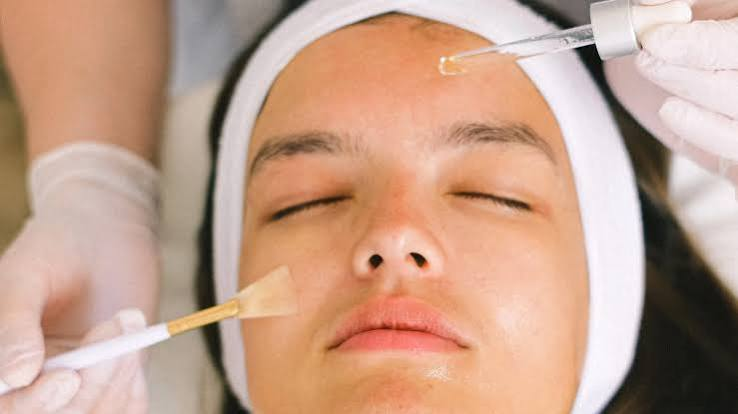
A chemical peel uses a carefully selected acid solution. It is applied to the skin for a controlled amount of time. The solution loosens and removes damaged surface layers.
As the skin heals, fresher cells move to the surface. Many people notice a brighter, smoother, and more even complexion.
According to the Mayo Clinic, chemical peels are commonly used to treat fine lines, uneven skin tone, and sun-related discoloration.
Results depend on several factors. These include your skin type, the depth of the peel, and how much damage is present.
Why Fall Is Peel Season
Timing matters more than most people think. Here is why fall works so well.
Less sun exposure. Freshly peeled skin is more sensitive to UV rays. Shorter days mean less intense sunlight.
Fewer outdoor plans. No beach days. No pool parties. It is easier to protect your skin while it heals.
Time to build results. Many peel plans involve a series of sessions. Starting in fall gives you months to see progress before next summer.
You can see the damage clearly. Summer spots are most visible right now. This makes it easier for a specialist to assess what needs attention.
Light, Medium, or Deep: Choosing the Right Depth
Chemical peels are not all the same. They come in different strengths.
Light peels work on the outermost layer of skin. They may help with mild dullness, rough texture, and early discoloration. Recovery is usually short.
Medium peels reach deeper layers. They may be considered for more noticeable sun spots and fine lines. Expect visible peeling and more downtime.
Deep peels are the strongest option. They carry more risks and require longer recovery. They are performed only in specific medical settings.
The right choice depends on your skin and your goals. This is why a professional consultation is essential. A stronger peel is not always a better peel.
Who Should Be Careful
Chemical peels are not right for everyone. Talk to a qualified provider before treatment if you:
- Are pregnant or breastfeeding
- Have recently used isotretinoin
- Have active cold sores, infections, or open wounds
- Have a history of keloid scarring
- Have a darker skin tone, which may carry a higher risk of pigment changes with some peels
- Have melasma, which needs a careful and often gentler approach
- Use prescription retinoids or other strong topical products
Be honest during your consultation. Share your full skin history and any medications. This helps your provider choose a safer, more suitable option.
How to Prepare for Your Peel
Good preparation can make a real difference.
- Book a consultation first. Your skin should be assessed before any treatment.
- Pause strong actives if advised. Your provider may ask you to stop retinoids or exfoliating acids for a few days.
- Avoid sun and tanning. Arrive with skin that has not been recently tanned or burned.
- Skip waxing and harsh treatments on the area before your appointment.
- Follow pre-treatment instructions. Some peels require skin prep at home.
Aftercare That Protects Your Results
What you do after your peel matters as much as the treatment itself.
- Use a gentle cleanser and a simple moisturizer.
- Do not pick or peel flaking skin. Let it shed naturally.
- Avoid scrubs and active ingredients until your provider says it is safe.
- Wear broad-spectrum sunscreen every single day. Even in fall. Even on cloudy days.
Sunscreen is not optional. Without it, new sun damage can undo your progress. The American Academy of Dermatology shares clear tips on how to apply sunscreen correctly.
What Results Can You Realistically Expect?
Many people notice brighter and smoother skin after healing. Sun spots may look lighter. Skin tone may appear more even.
But be realistic. One session rarely erases years of sun exposure. Some concerns need a series of treatments. Others may respond better to a different treatment altogether, or to a combination plan.
No provider can guarantee results. A good one will explain what is possible for your skin and what is not.
Finding a Provider in Queens
Choose a provider who takes time to assess your skin. Ask questions. Which peel do they recommend, and why? What downtime should you expect? What are the possible side effects?
If you live in Queens, you can book a chemical peel for sun damage at Skincare Sommelier Beauty Lab & Med Spa in Forest Hills, NY. The team creates individualized treatment plans based on your skin type, concerns, and lifestyle. You can start with a consultation to find out whether a peel is the right fit for you.
The Bottom Line
Sun damage builds slowly. Improving it takes time and the right approach.
Fall gives you the perfect window to start. Less sun. Easier recovery. More time to see results before summer returns.
Get a professional assessment. Choose the right peel depth. Protect your skin every day. Your future skin will thank you.